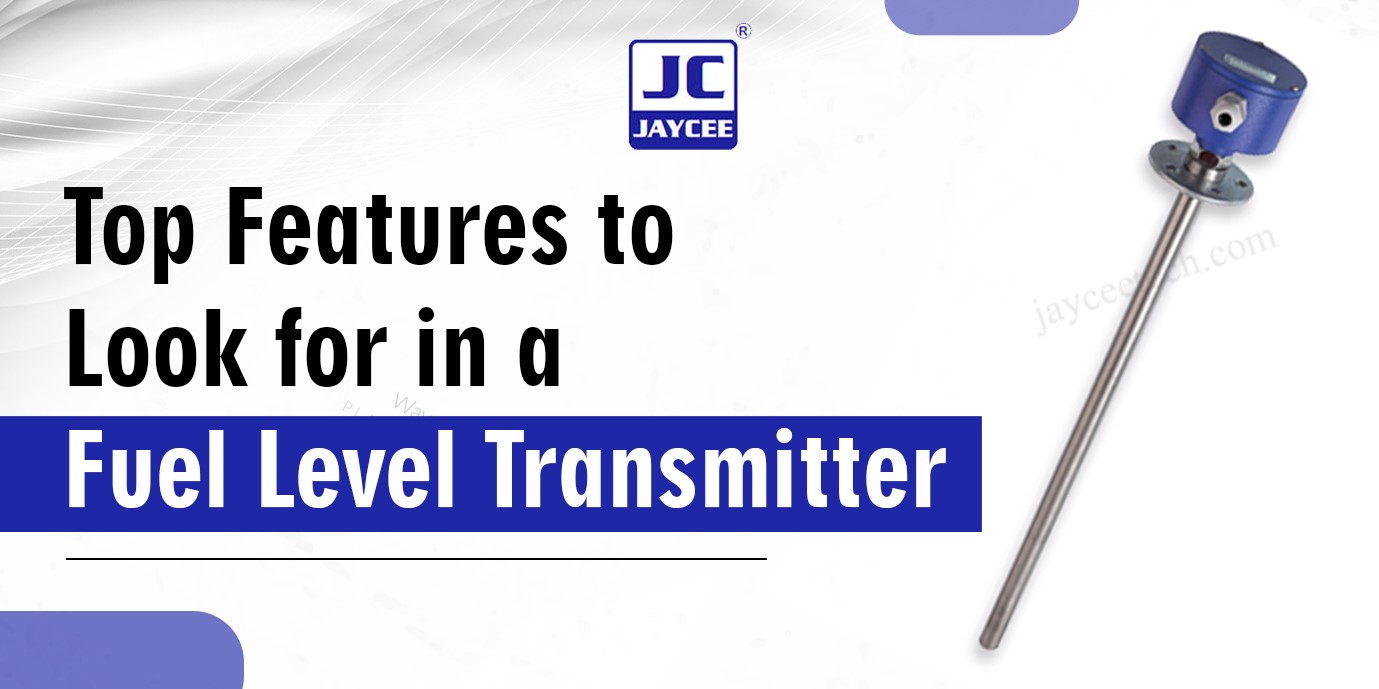
A fuel level transmitter is an essential device used to measure and monitor the amount of fuel stored in a tank. Whether it's used in industrial facilities, commercial fleets, generators, agricultural equipment, or marine vessels, choosing the right transmitter can significantly improve operational efficiency, reduce fuel losses, and enable better inventory management.
Modern fuel level transmitters offer far more than basic level measurement. They provide real-time monitoring, digital communication, remote access, and enhanced durability for demanding environments. Selecting the right device requires understanding the features that directly impact accuracy, reliability, and long-term performance.
This guide explains the most important features to consider before investing in a fuel level transmitter.
Fuel represents a significant operational cost for many industries. Inaccurate measurements can lead to:
An advanced fuel level transmitter helps businesses monitor fuel consumption accurately while improving efficiency and reducing waste.
Accuracy is the most important factor when selecting a transmitter.
A high-quality transmitter should provide consistent readings regardless of fuel type or tank size.
Benefits include:
Choose models offering high precision with minimal measurement error.
Not every transmitter supports all fuel types.
Look for compatibility with:
This ensures flexibility for current and future applications.
Industrial environments can be harsh.
The transmitter should withstand:
Common materials include:
A durable design increases product lifespan and reduces maintenance costs.
Modern fuel management relies on real-time information.
Real-time monitoring allows operators to:
This feature is particularly valuable for fleet operators and remote fuel storage facilities.
Ensure the transmitter integrates easily with your existing monitoring system.
Popular output signals include:
Multiple communication options improve compatibility with industrial automation systems.
Installation should be straightforward without requiring major modifications.
Look for products that offer:
Easy installation reduces downtime and labor costs.
Cloud-based fuel monitoring is becoming increasingly common.
Remote monitoring enables users to:
This feature is especially useful for companies operating multiple sites.
Fuel expands and contracts with temperature changes.
Transmitters equipped with temperature compensation provide more accurate readings throughout varying weather conditions.
This feature is particularly valuable for outdoor storage tanks.
A reliable transmitter should require minimal maintenance.
Look for:
Reduced maintenance lowers total operating costs.
Modern transmitters can generate alerts for:
Instant notifications help prevent costly operational disruptions.
| Feature | Basic Model | Advanced Model |
|---|---|---|
| Accuracy | Standard | High Precision |
| Remote Monitoring | No | Yes |
| Digital Communication | Limited | Multiple Protocols |
| Temperature Compensation | No | Yes |
| Alarm Functions | Basic | Smart Alerts |
| Industrial Protection | Moderate | High |
| Maintenance | Moderate | Low |
Fuel level transmitters are widely used across various industries.
Before purchasing, consider:
Selecting the right solution ensures better long-term value.
A fuel level transmitter is an electronic device that continuously measures the amount of fuel inside a storage tank and transmits the data to a monitoring system.
Industries including transportation, manufacturing, agriculture, construction, mining, marine, power generation, and oil & gas rely on fuel level transmitters for accurate fuel monitoring.
High-quality transmitters can provide highly accurate measurements when properly installed and calibrated, making them suitable for industrial and commercial applications.
Yes. Many modern transmitters integrate with cloud platforms, GPS tracking systems, and industrial monitoring software for real-time remote access.
Accurate measurement helps reduce fuel losses, improves inventory management, prevents overfilling, and supports informed operational decisions.
Selecting the right fuel level transmitter is an investment in operational efficiency, fuel security, and long-term cost savings. Key features such as high accuracy, durable construction, real-time monitoring, multiple communication options, and smart alarm capabilities ensure dependable performance in a wide range of industries.
By evaluating your application requirements and prioritizing these essential features, you can choose a transmitter that delivers reliable fuel measurement, simplifies inventory management, and supports efficient day-to-day operations.
Looking for a reliable fuel level transmitter for your business? Compare specifications, evaluate your operational requirements, and choose a solution that offers accurate measurement, seamless integration, and dependable performance to maximize fuel management efficiency.
